
Archive 3.0
A product redesign that made Archive easier to extend while reducing design and engineering inconsistency.
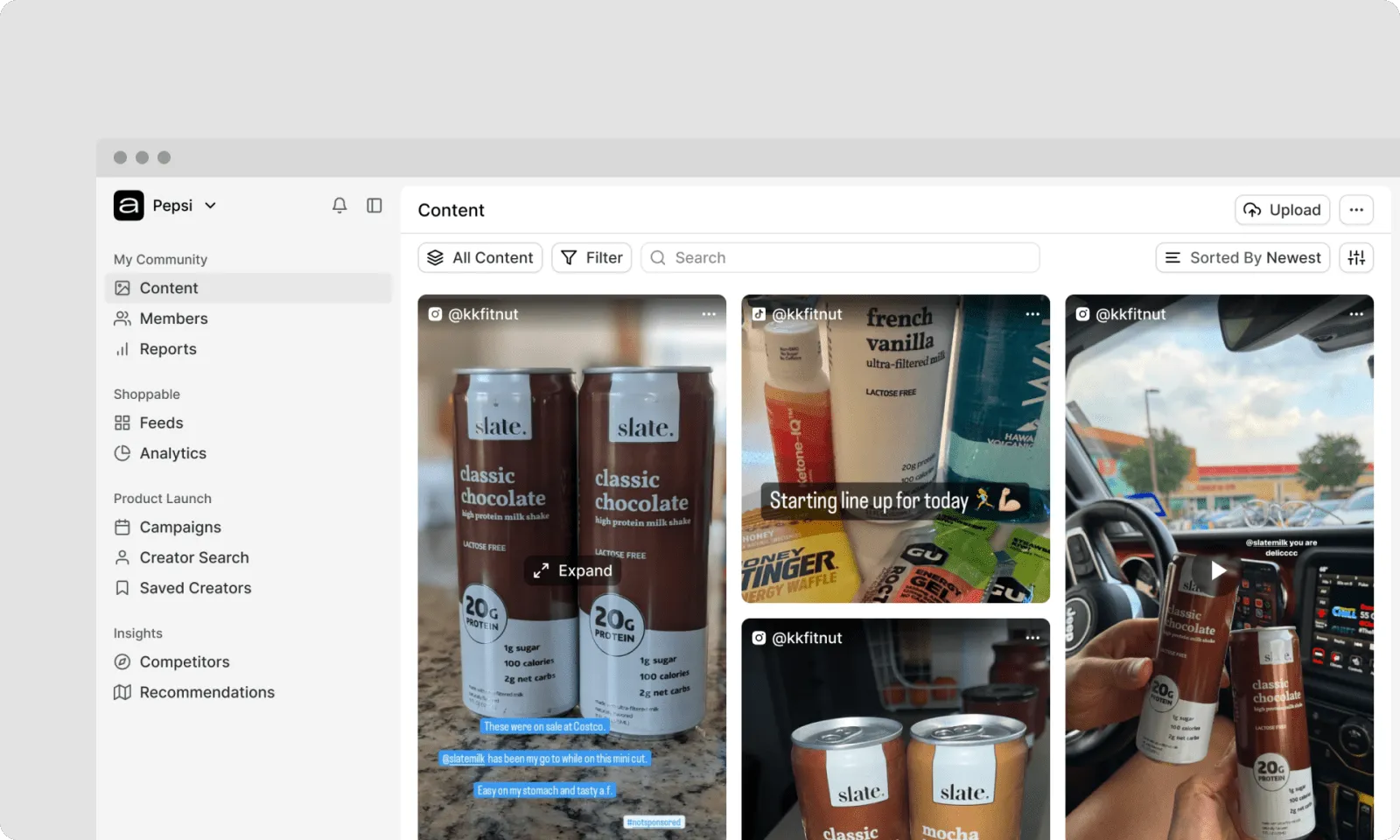
Problem
As an early-stage startup, speed was crucial. We had added many features, learned more about customers, adjusted pricing several times, and run product-led growth experiments. But our design and engineering processes were creating inconsistencies and repeated work. Navigation and layout constraints also made launching new product verticals difficult.
Before redesigning the product, we defined what success should mean. This gave us a way to evaluate ideas against the underlying product and organizational problems.
Definition of success
- Make it easy to add three new product verticals.
- Create a layout that can accommodate future expansion.
- Establish design processes that maintain consistency across verticals.
- Make core elements—such as page headers and filters—reusable and scalable for future experiments.
A layout designed to expand
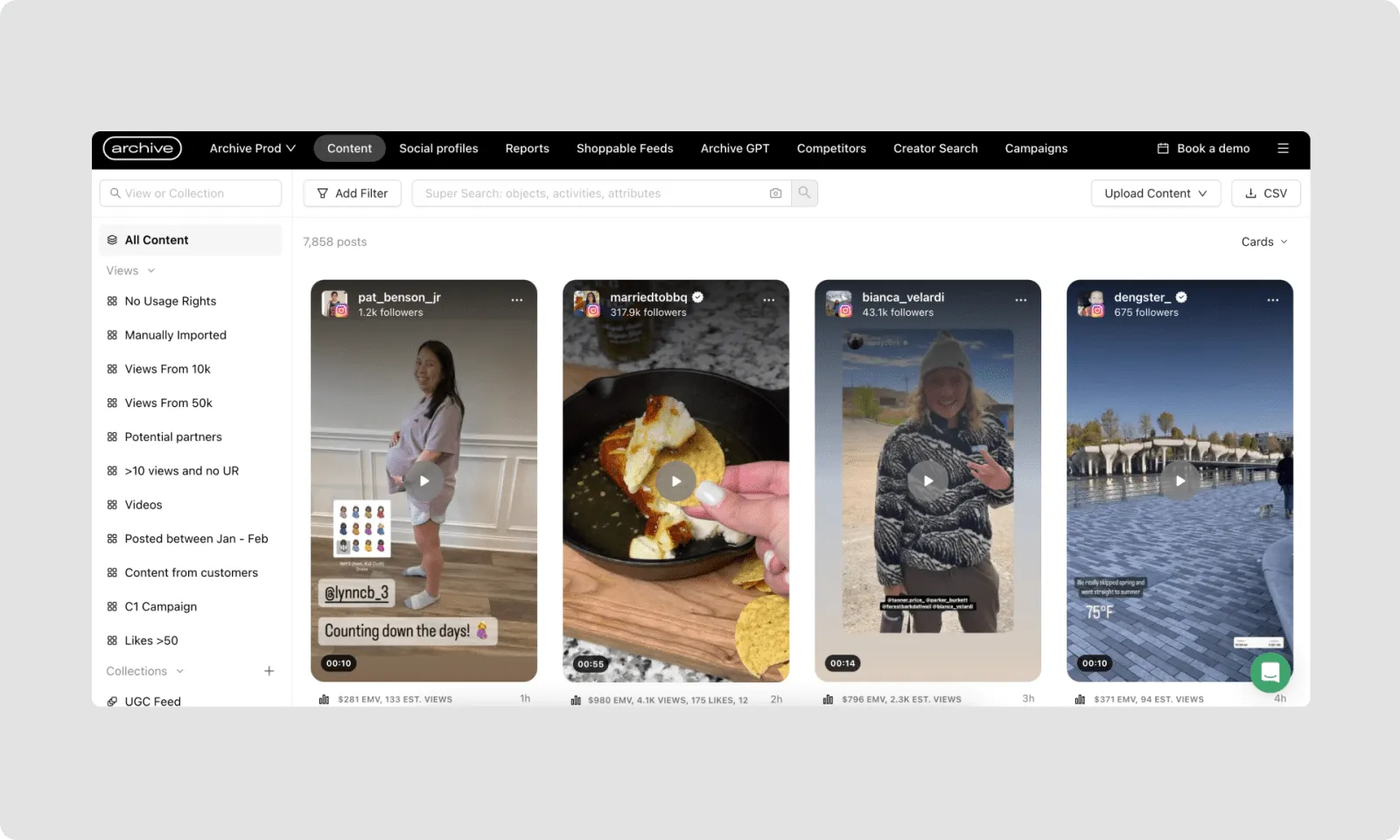
The existing navigation had become crowded as the product grew. Usage data helped us understand which features mattered most and where the structure could be simplified.
The previous layout and navigation:
The new structure created room for current and future product verticals:
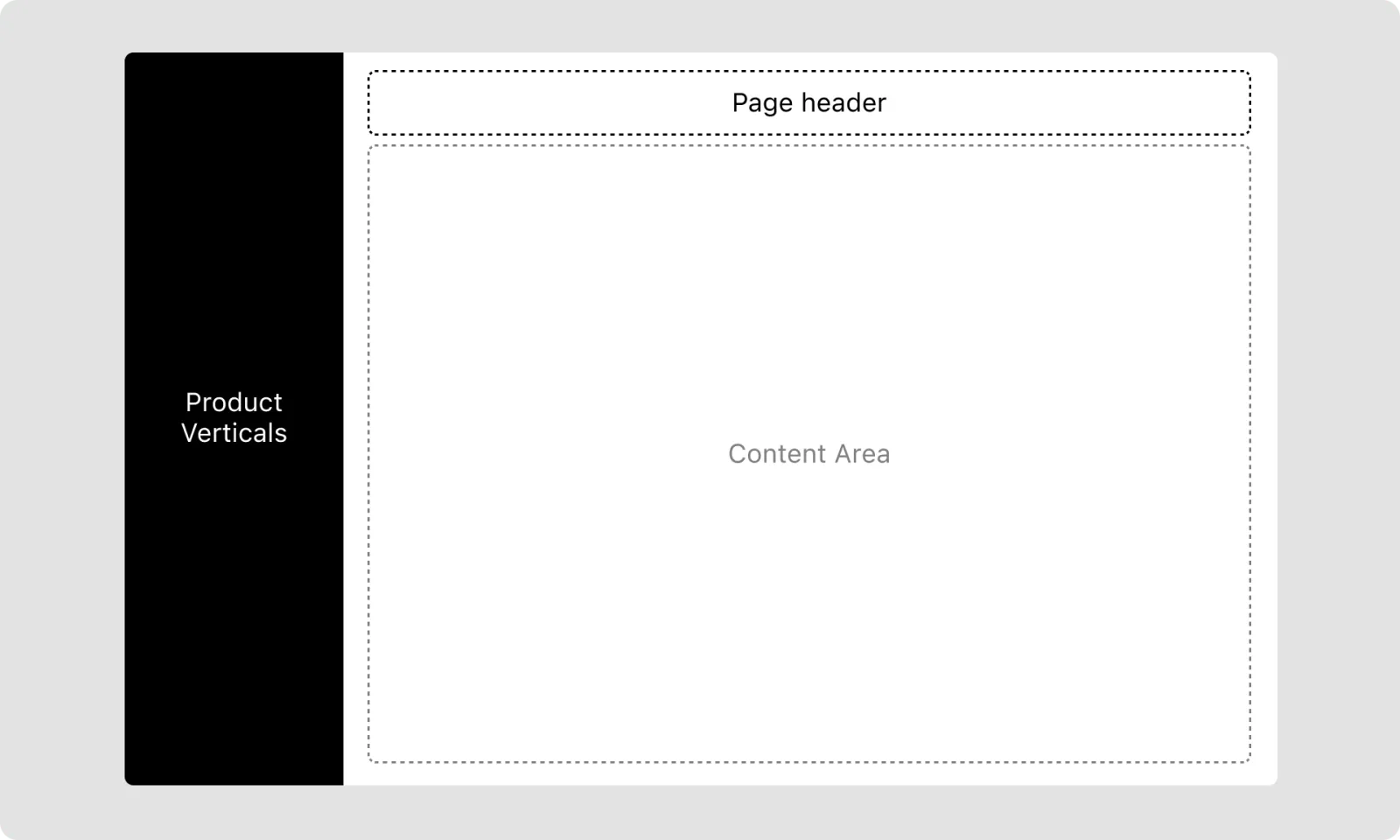
The redesign could be released gradually:
- Introduce the new navigation while leaving existing pages unchanged.
- Build a reusable page-header component and implement it across the product.
- Update the content areas of individual pages incrementally as shared components became available.
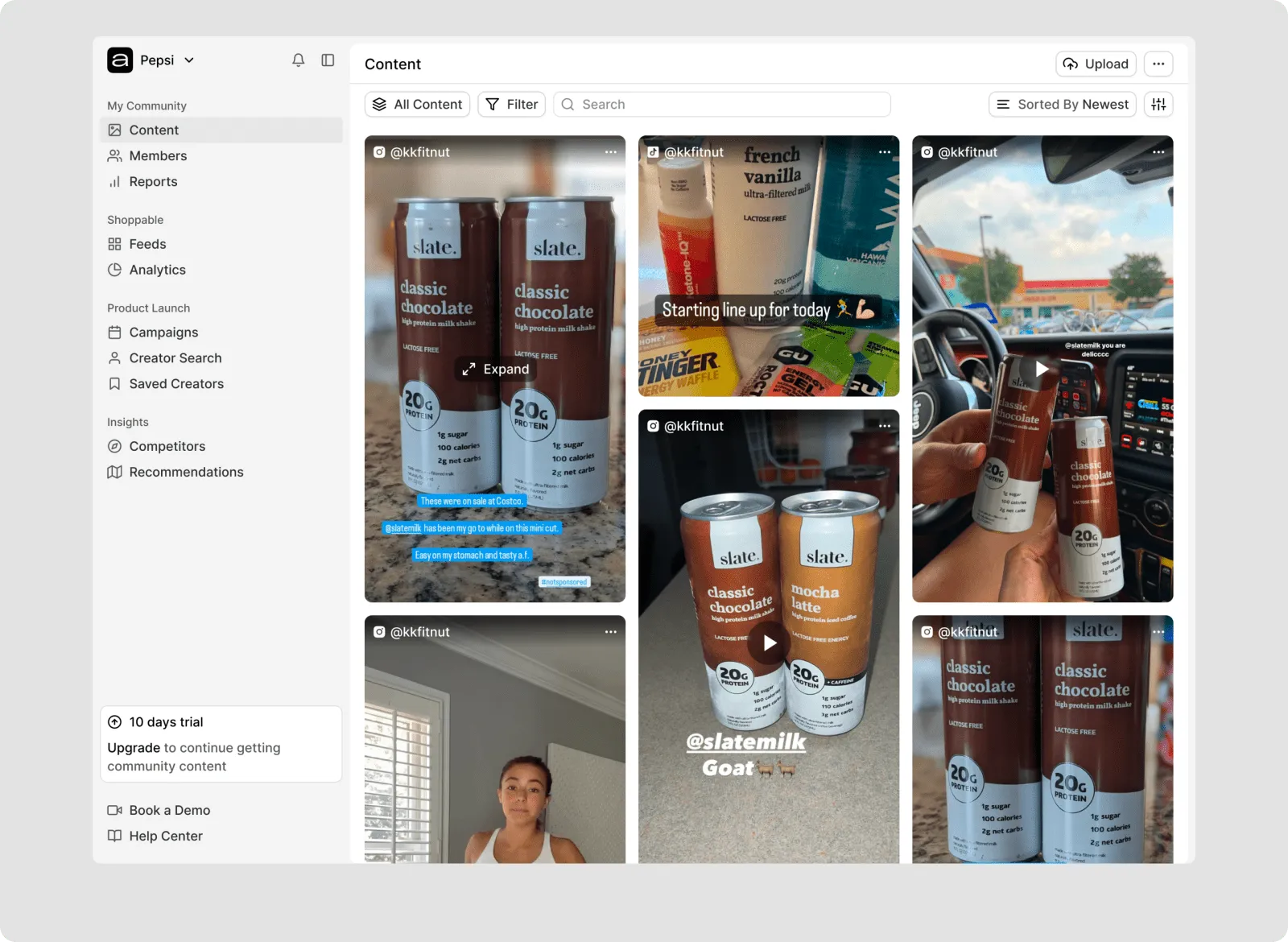
Home page
The redesigned home page brought the new structure and visual system together.
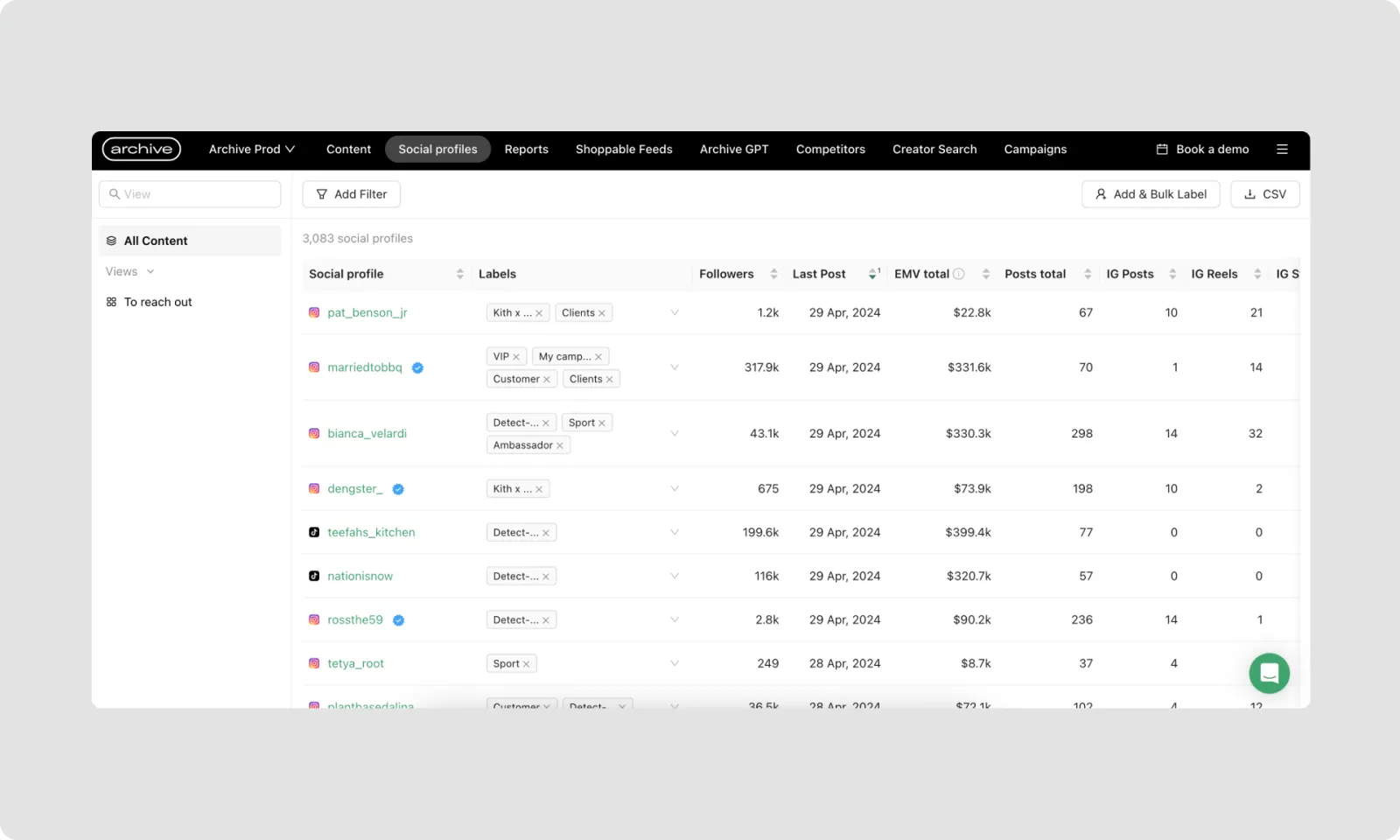
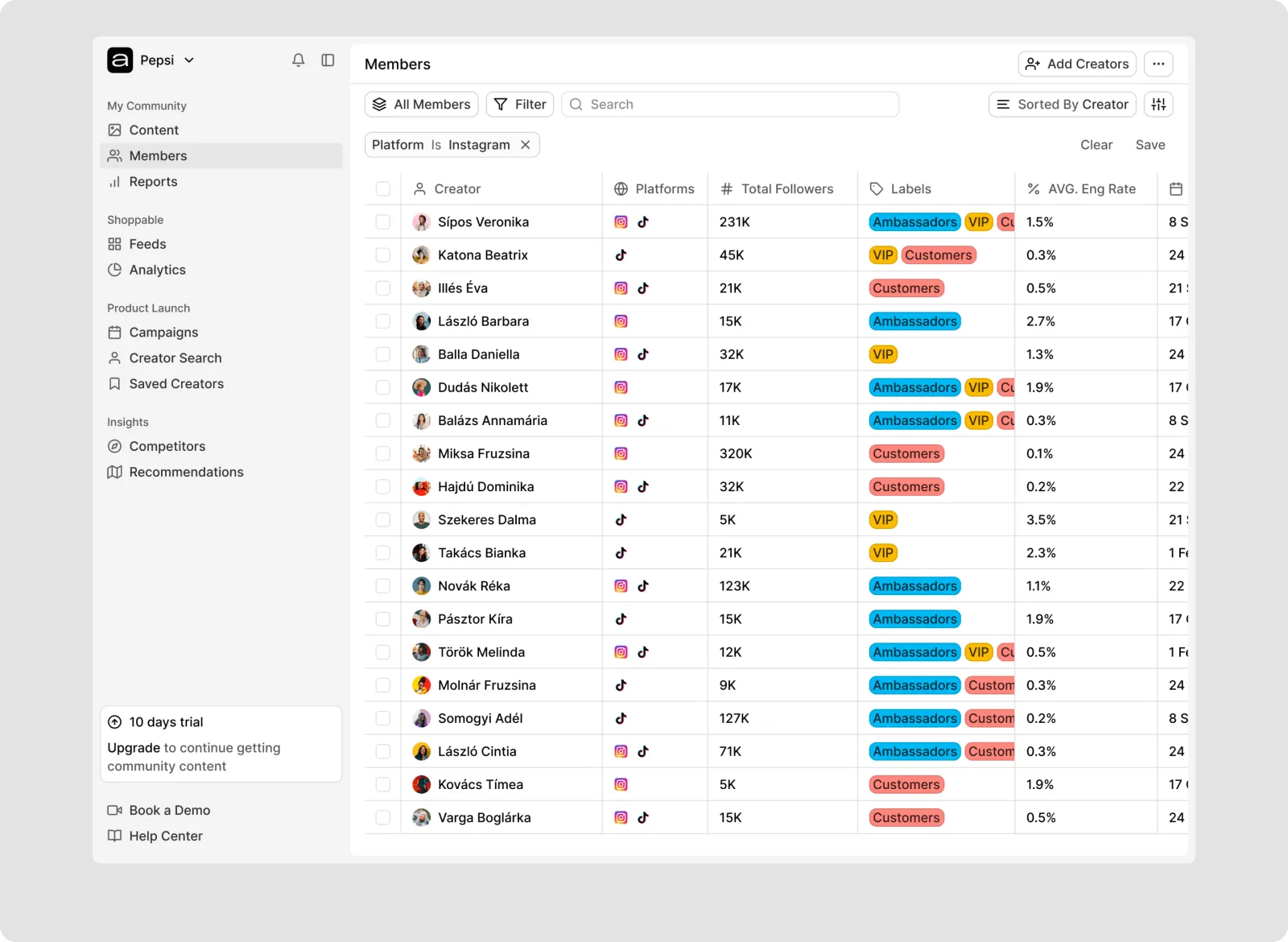
My Community
As the amount of creator data grew, we created a unified profile that combined social networks and custom attributes. This became a stronger foundation for automations and custom workflows.
Before:
After:
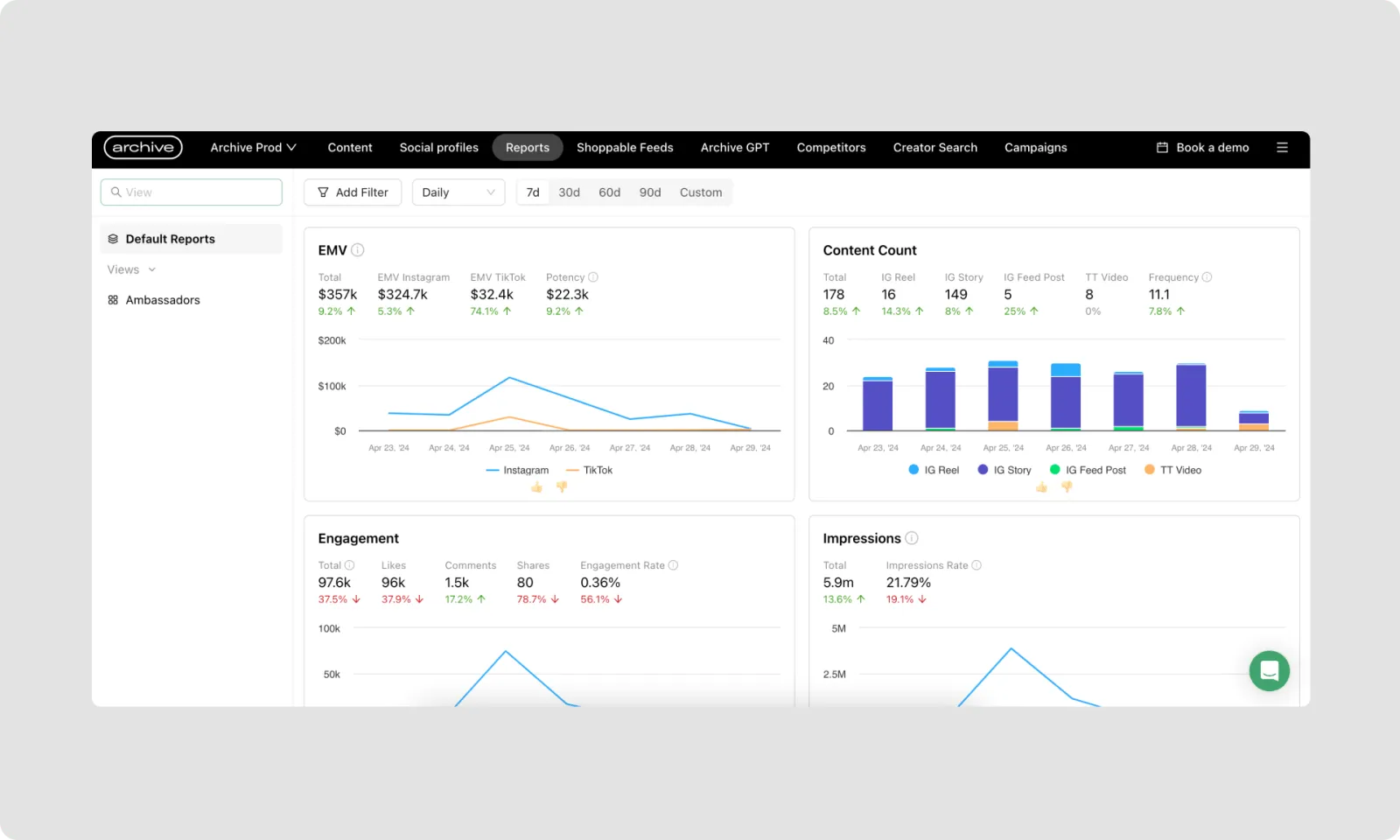
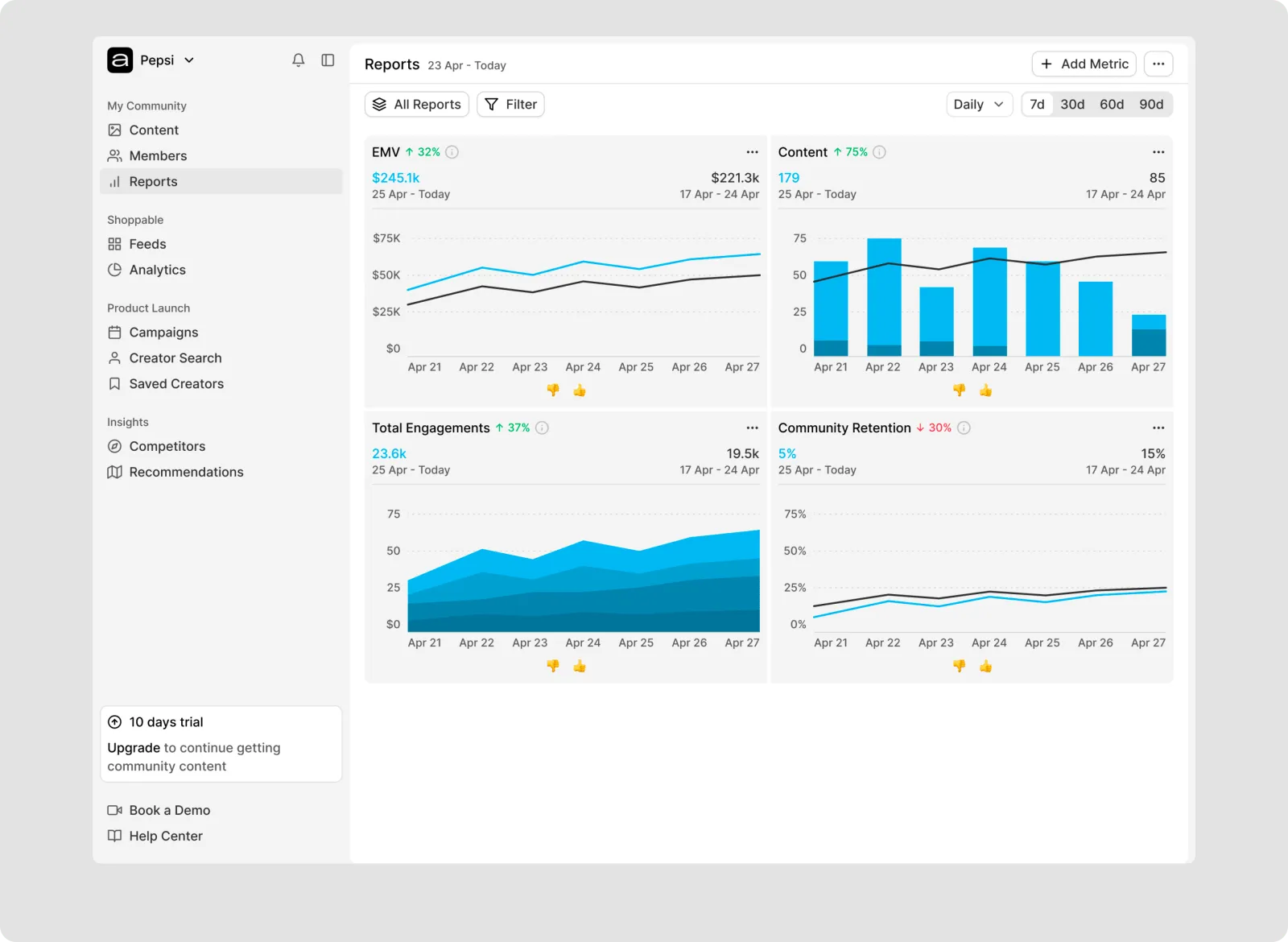
Reports
As more metrics were added, the Reports page became too long. The redesign prioritized the most useful metrics and let customers add others when needed. Saved Views enabled reusable reports for different campaigns and report types.
Before:
After:
What I learned
Redesigning an existing product is difficult because it changes established behavior without necessarily introducing an obvious new feature. A clear definition of the problems and success criteria keeps the work grounded.
- Involve engineering and other stakeholders in the design system from the beginning.
- Identify product issues within the redesign scope so ideas can be evaluated objectively.
- Audit existing inconsistencies and prioritize reusable components.
- Establish lightweight design-system processes before duplicated implementation and support work grow further.
- Continue market and customer research as the product expands.